Thinking on leadership, culture, and the conversations that matter.
Written by Jo Andrews. No frameworks for the sake of it. No theory without application. Just honest thinking about what it actually takes to lead well, and what gets in the way.
One of the uncomfortable things about being human is that we don’t get to decide how other people experience us. We know what we meant. We know why we said what we said or did what we did. We know the context, the pressures, what happened five minutes before and the twelve other things we were thinking about at the time. And, from where we’re sitting, our actions can make perfect sense. But other people don’t experience our intentions. They experience our behaviour and the impact it has on them. And every now and then, someone is brave enough to tell us that their experience of us wasn’t quite the one we thought we were creating. Which is where things … Read more
Before Pluto arrived, we had a plan. We’d talked about it. Agreed it. Practically laminated it. No dog on the sofa. No feeding from the table. Calm, consistent training from day one. We were going to be *those* puppy parents. Boundaried. Serene. Probably featured in a training manual. That was the vision statement. Would you like to know our actual, lived values, roughly three weeks in? Pluto was on the sofa. Obviously. In fact, Pluto had a preferred cushion. He got a treat for sitting, for nearly sitting, and for thinking about sitting. And jumping up? We said “down” in our firm voices… while laughing. So as far as Pluto was concerned, jumping up was a crowd-pleaser. Do it again, … Read more
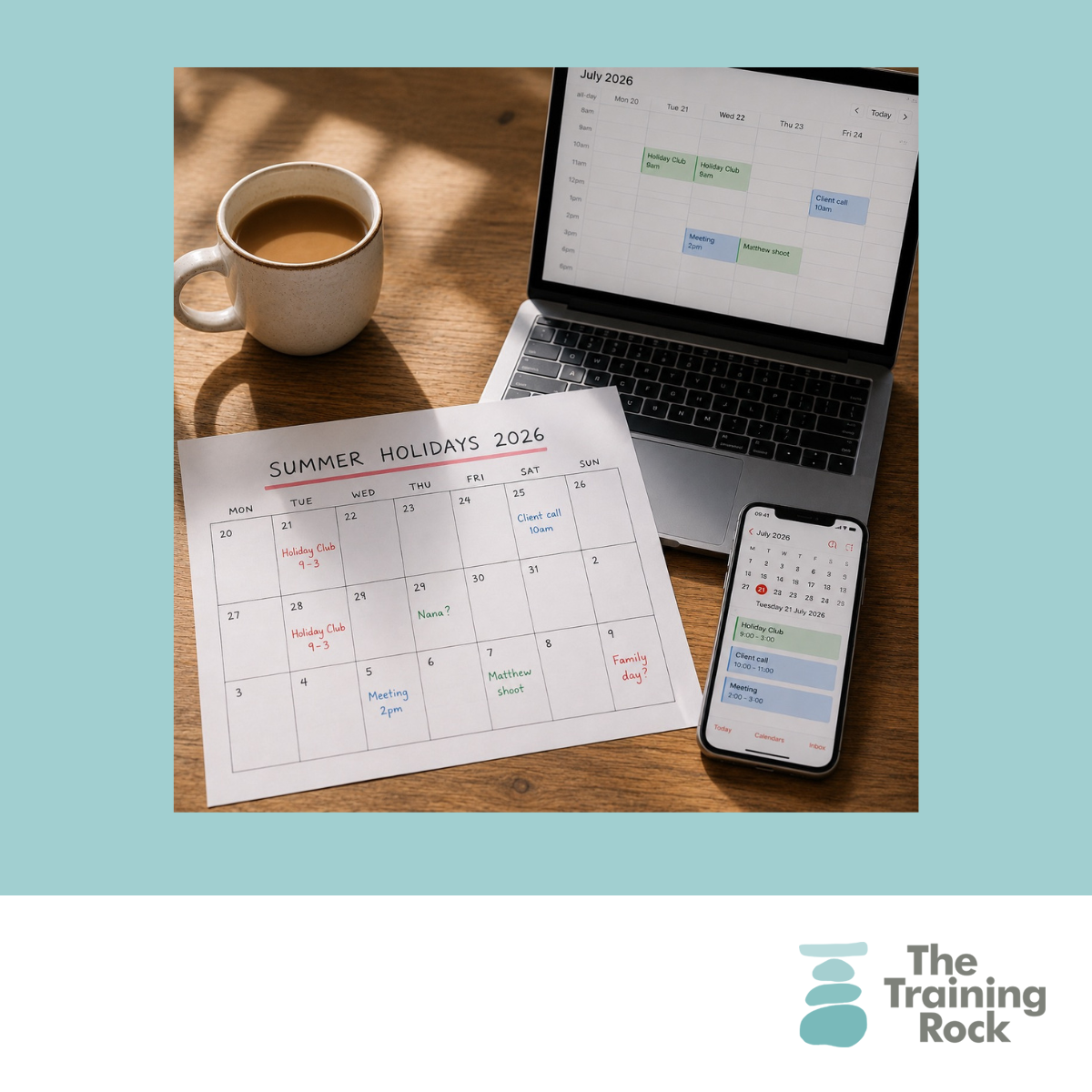
State schools break up this week. Across the country, children are celebrating. The exams are over. Six glorious weeks stretch out ahead of them. If you’re eight years old, that’s basically Christmas, your birthday and Disneyland rolled into one. If you’re a working parent, it’s, ahem, a little different. Because while the students are finishing their exams, many employers are just about to sit theirs. If your organisation proudly describes itself as family-friendly then July and August are when that gets tested. I remember those years well. The excitement of the final day of term would barely have faded before Matthew and I were sat at the kitchen table with calendars, trying to work out who was where, when, and … Read more
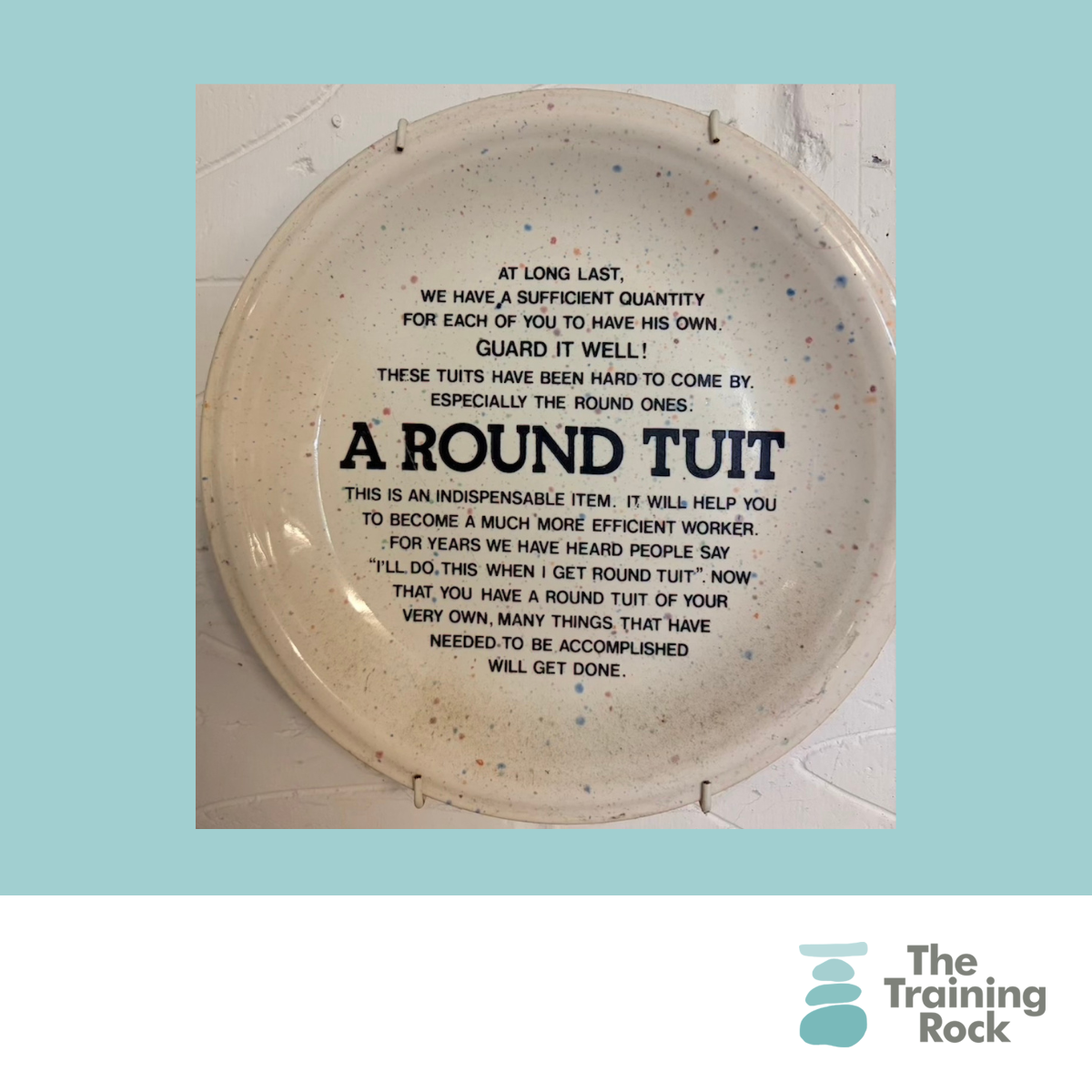
I was in the garage the other day when I spotted this hanging on the wall. It’s been in the family for years. In fact, I remember my mum giving it to my dad sometime in the 1980s. You can probably hazard a guess as to why. It always makes me smile, but this week it also made me think. Within the space of a few days, I had two coaching conversations that were almost mirror images of each other. The first was with a leader who was reflecting on their constant busy-ness and realising that they hadn’t been holding regular 1:1s with their team. Not because they didn’t care. They genuinely wanted to do them. But something always seemed … Read more
You know that relationship where you’ve explained yourself multiple times… and they still don’t see it your way? You leave those conversations thinking you’ve been clear, and yet you end up right back where you started. When I’m brought in to help resolve conflict, there’s a moment early on that I’ve come to expect. It usually starts with someone saying, “Can I just explain what’s actually happened…” and then off they go. Detailed, well thought through, often completely justified. You can see the logic, you can understand the frustration, and in many cases, you can absolutely see why they believe they’re right. Very quickly, it becomes clear what they’re really looking for. They’re not looking to understand their impact. They’re … Read more
Do you know what the most valuable leadership tool is? Nope, not the sh*t sandwich. Not Maslow’s hierarchy of needs, nor whatever shiny new framework is doing the rounds this month. It’s the humble mirror. Yep. The mirror. Not to check your lippy or make sure this morning’s latte isn’t still round your chops, but to check what it’s actually like to be on the receiving end of you. Not how you think you’re coming across. Not what you intended. But how you’re actually landing. And not just when you’ve had 8 hours sleep and everyone’s behaving themselves either. I mean the real days. When you’re tired, frustrated and frankly not in the mood for leadership. Because that’s when it … Read more
Humans are messy. Relationships don’t have to be. The quality of your relationships determines the quality of your life. At home. At work. Everywhere. Because the moment another human is involved, there will be differences. Different views. Different instincts. Different priorities. And if you can’t disagree well? Those differences become fractures. You can be brilliant at your job. You can operate a supermarket checkout with Olympic-level efficiency. You can build rockets. You can run a P&L, lead a team, write policy, close deals. But if you can’t disagree well? You will come unstuck. Not because you’re not smart. Not because you’re not capable. But because life isn’t a solo sport. And humans are messy, opinionated and gloriously different. My husband … Read more
Whenever I kick off a new cohort of leadership training, I always ask the same question early on. “How would you describe the culture in your organisation?” What I usually get is a variety of thoughtful answers. Different perspectives. Different experiences. Usually with some clear common themes running through them. And when we start discussing those answers in the group, there’s almost always a moment where someone says, “That’s not how it feels in my team.” Which makes sense. Because while there is an organisational culture, there’s also a sub-culture in every team. A slightly different flavour. A different lived experience. And that experience is shaped, day in and day out, by the leader. I lead my team with my … Read more
We’ve just moved house. Which means we’ve spent months in and out of conversations with estate agents. Lots of them. And here’s what surprised absolutely no one. Most of them struggled to be honest. I know, shocking, eh? 😉 I have a very effective inbuilt bullsh*t detector and tolerating being lied to really isn’t my forté. Not in leadership. Not in business. Not when you’re standing in my living room telling me that you can absolutely sell my house for the best price by this time tomorrow and yes, of course, you operate differently from all the other estate agents in this area… bla bla bla. Agent after agent came in selling themselves. Their services, their stats, their shiny promises, … Read more
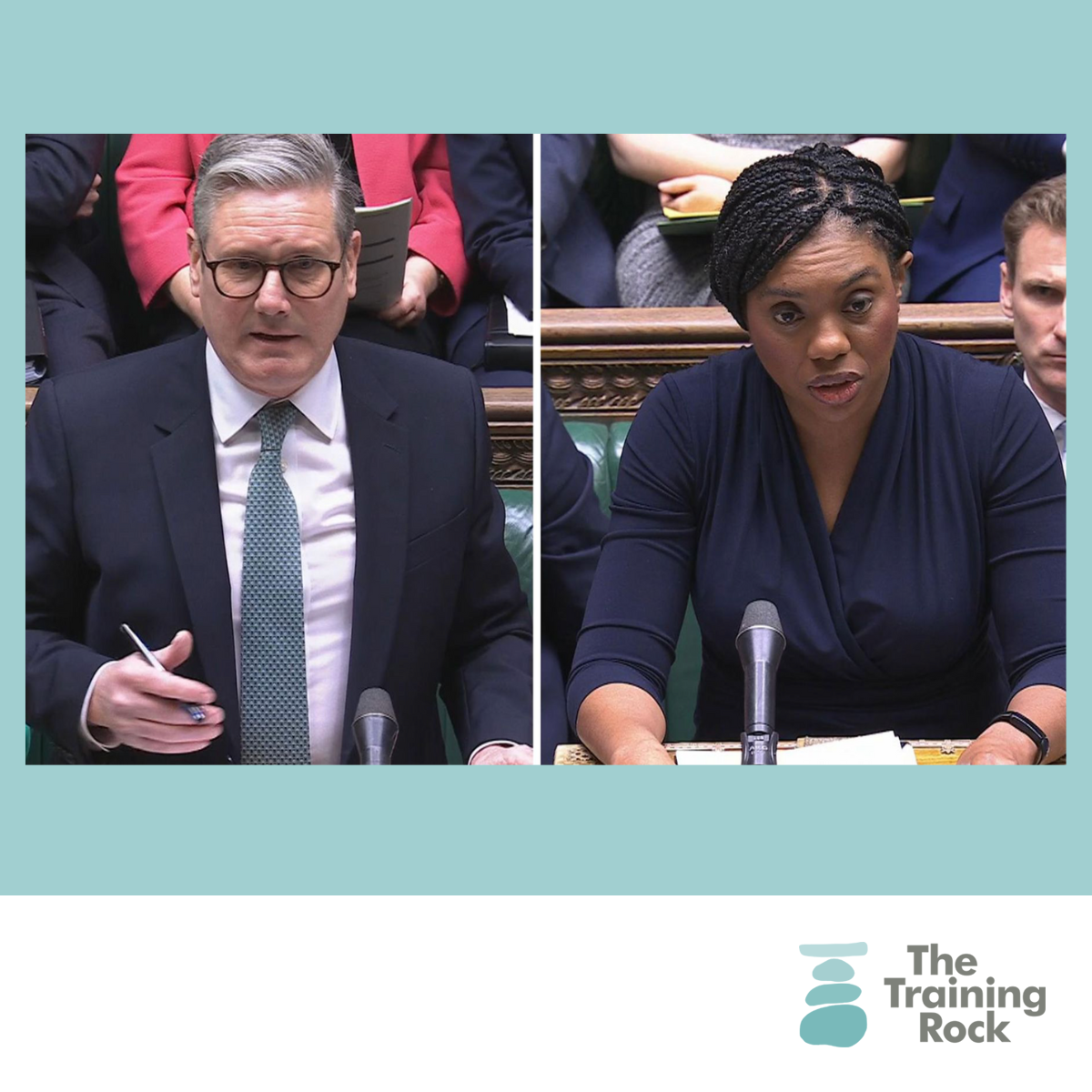
I want to be honest. I’m feeling pretty disheartened about leadership in this country right now. You’ll know if you’ve ever worked with me that I’m a firm believer that culture starts at the top. So when I watch the Prime Minister and the Leader of the Opposition shouting across the Commons, name calling, point scoring and their own benches jeering, gesticulating and generally being obnoxious, I can’t help thinking: is this really the example we want our country to follow? When Kemi Badenoch took a personal swipe at Rachel Reeves after the budget, it didn’t feel like challenging ideas. It felt like proving who could land the sharpest dig. Imagine that in your boardroom. Someone proposes a direction for … Read more
Want to talk about what you've read?
If something here has landed — or if you're curious whether this work is right for your organisation — start a conversation. No obligation, just honesty.