
The TRAIT Test™ framework
Nine Animal Influencers. Not a label. A map.
The Animal Influencers are the framework through which your TRAIT Test™ results are presented. Your top three aren’t a fixed identity, they’re the traits that currently cost you the least energy, so you default to them.
But every leader has access to all nine. The work is learning when to use which one, and why you sometimes reach for the wrong one without realising it.
Grounded in Jungian psychology, made immediately practical.
The TRAIT Test™ draws on the same psychological foundations as MBTI and the Enneagram. Rather than presenting results as abstract typologies, it translates them into nine recognisable behavioural characters, specific enough to be honest, accessible enough to act on immediately. The animals are not metaphors. They are mirrors.
Your top three
Your top three are your current defaults. Not your limits.
The three Influencers at the top of your results are the ones that currently cost you the least energy, so under pressure, short on time, or in a difficult conversation, you’ll reach for them instinctively. They’re your natural starting point.
But your top three can change. As you develop greater self-awareness, noticing your triggers earlier, working consciously with your vulnerabilities, your defaults can genuinely shift. Growth changes the profile. The role you’re in, the culture around you, the relationships you’re in, and what life is currently asking of you all influence which animals are most active. The TRAIT Test™ is a snapshot of where you are now, not a verdict on who you are.
And all nine animals are available to every leader. Sometimes the moment calls for your Lion, your authority and decisiveness, even when Lion isn’t your natural way of being. Self-leadership means knowing which animal the moment needs, and choosing it on purpose, rather than just defaulting to whatever feels easiest.
Different people bring out different animals
The same leader can show up very differently with their CEO, with a peer they trust, or with someone they find genuinely challenging. Relationship and dynamic shape which part of your profile leads.
Context shapes which traits come forward
Your environment, your role, and what the work is consistently asking of you will pull different traits to the surface over time. Someone in the same role for several years will often find those traits have strengthened, not because they’ve changed as a person, but because that’s what their context has been reinforcing.
Self-leadership
Being triggered never stops. That’s not a failure, it’s human.
Every Influencer has a shadow side. The traits that make you effective also carry the tendencies that can get in your way. Your Lion’s directness can become abruptness. Your Dog’s warmth can become conflict avoidance. Your Cheetah’s drive can leave everyone else behind.
When you feel threatened, by conflict, criticism, uncertainty, or unfairness, the instinct is to operate from those vulnerabilities rather than your strengths. You move into a defensive version of yourself. And the things you do from that place tend to make everything harder.
The goal isn’t to stop being triggered. That’s fantasy. The goal is to notice it earlier, and in the moment of noticing, choose your response rather than react from fear.
That noticing. That pause. That choice.
That’s what we mean by self-leadership. The ability to see what you’re doing, and decide, consciously, what to do next. Even when it’s difficult. Even when it feels unfair.
“Owning your impact, even when things are hard, messy, or unfair.”
Why it matters for everyone around you
When you lead from your strengths, you make it easier for others to do the same.
Behaviour is contagious. When someone in the room is operating from their vulnerabilities, defending, blaming, withdrawing, it pulls the people around them into the same defensive state. The cycle feeds itself.
The reverse is equally true. When you choose to lead from your strengths, even when triggered, even when it would be easier not to, you create the conditions for others to access theirs. Not because you’ve fixed them. Not because your animal types are compatible. Simply because strength is as contagious as vulnerability.
This is why the Influencer framework matters beyond individual self-awareness. Understanding your own profile is the starting point. Understanding how your behaviour shapes the people around you, and how theirs shapes you, is where it becomes genuinely transformational.
The nine Animal Influencers
Meet the pack.
Every leader has access to all nine. Your top three are your current defaults. Understanding all of them is what allows you to read yourself, and the people around you, with greater honesty, and to choose consciously which animal the moment actually needs.
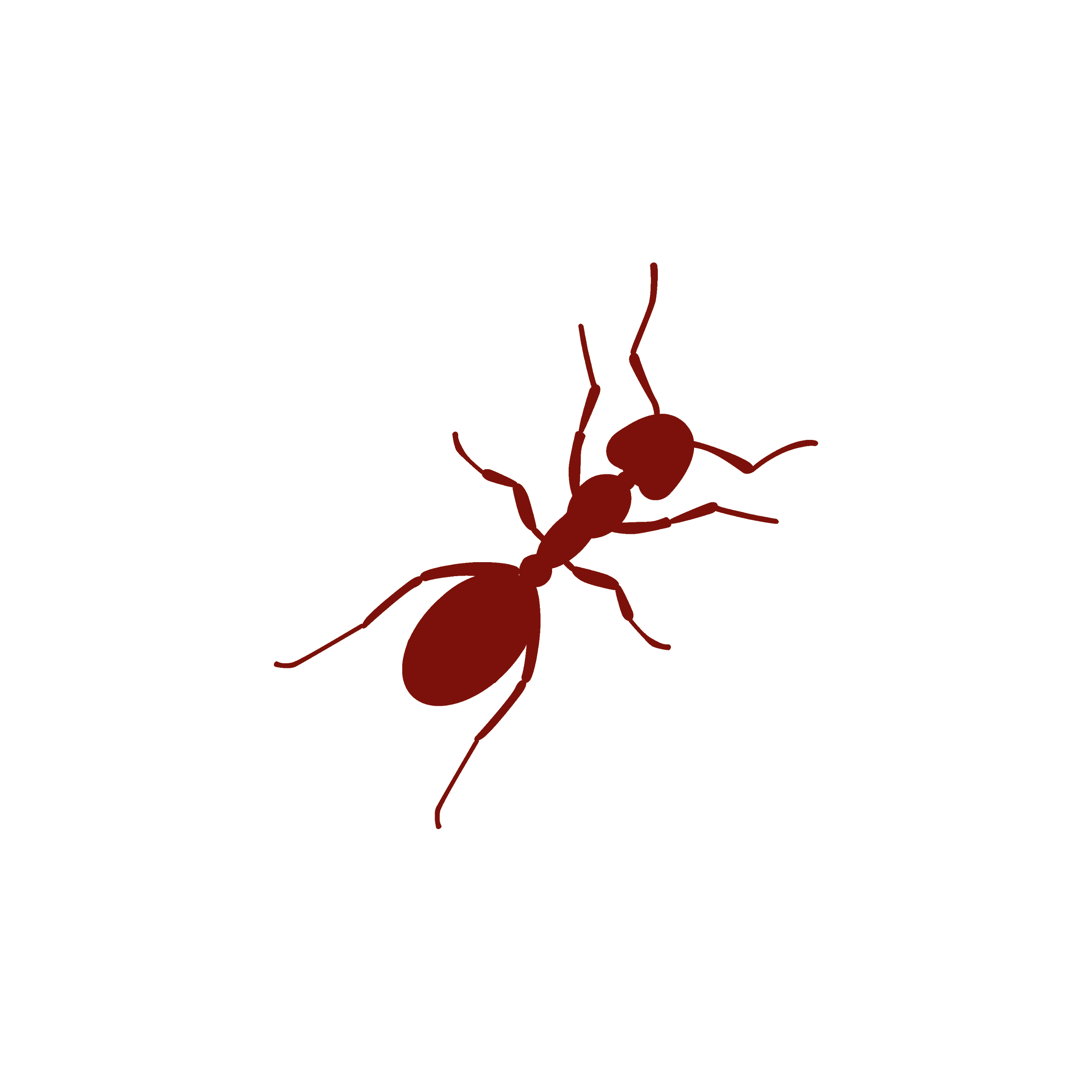
The Ant
Strength
A big-picture thinker with many projects on the go simultaneously. Energised by ideas, possibilities, and starting new things.
Vulnerability
Better at starting than finishing. Can appear chaotic, particularly to those who value precision and follow-through.
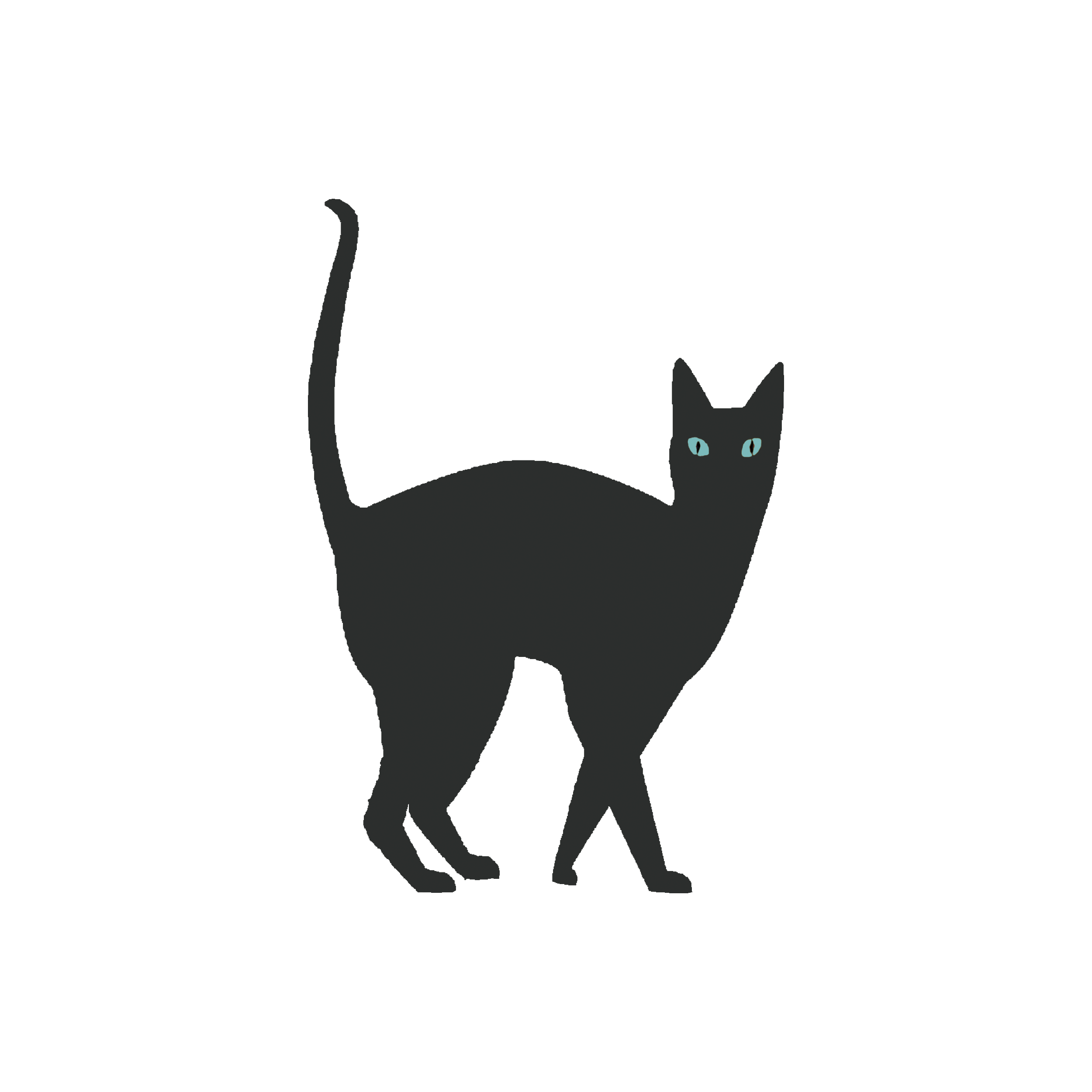
The Cat
Strength
Excellent with data and accuracy. Analytical, precise, and operates with a high degree of independence.
Vulnerability
Much less of a team player. The Cat’s independence can make collaboration feel costly, and others can feel shut out.
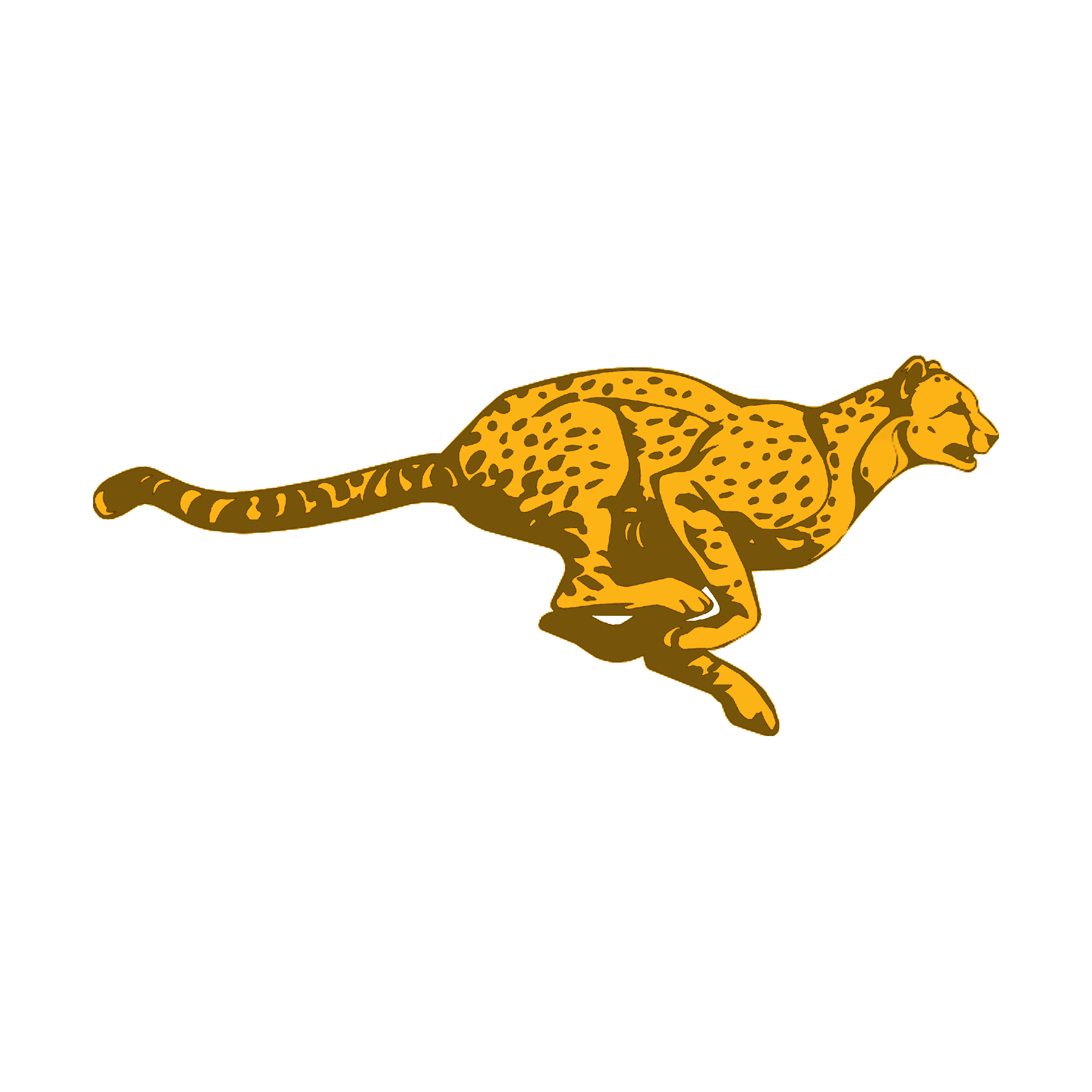
The Cheetah
Strength
All about results. Wants to win. The overachiever who is always ahead, decisive, driven, and relentlessly focused on what’s next.
Vulnerability
Can leave people feeling left behind. The Cheetah’s pace is their default, and not everyone can keep up.
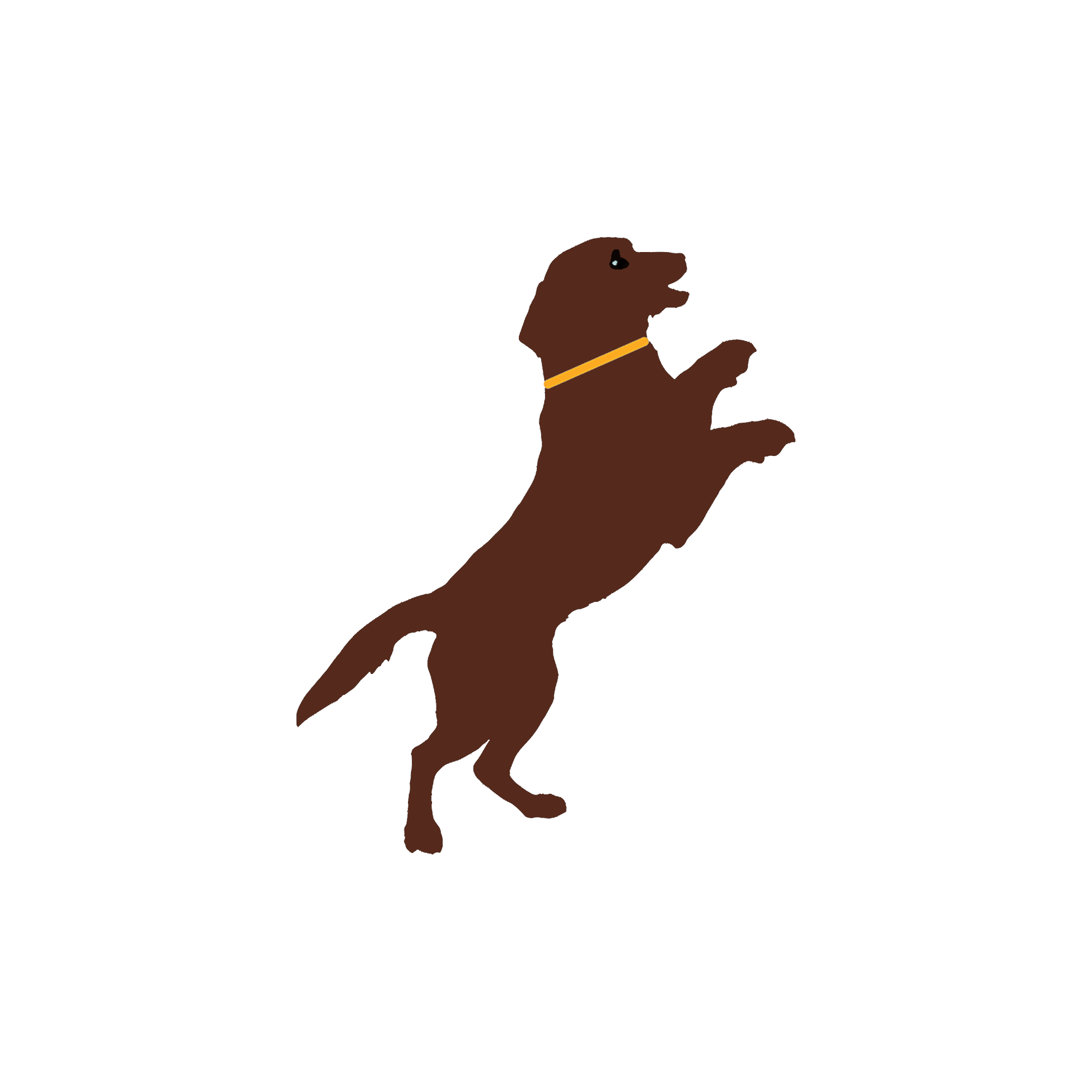
The Dog
Strength
Warm, trustworthy, and deeply committed, to the people and the purpose. The relational glue of any team.
Vulnerability
Avoids difficult conversations. The Dog’s loyalty can tip into conflict avoidance, which ultimately doesn’t serve the people they care about.

The Hedgehog
Strength
Brilliant at reading people. A keen intuition that picks up on what others miss, and a deep ability to understand what’s really going on.
Vulnerability
Poor at expressing their own needs. Withdraws and becomes prickly when they feel misunderstood.

The Honeybee
Strength
High standards, strong systems, logical thinking. The Honeybee brings process and precision to everything they touch.
Vulnerability
Very critical of others who don’t meet their standards. What feels like rigour to the Honeybee can feel like judgement to everyone else.

The Lion
Strength
Direct, decisive, and not afraid to make difficult decisions. The Lion leads with authority and takes responsibility seriously.
Vulnerability
Can come across as abrupt, despite not meaning to. The Lion’s directness doesn’t always land the way they intend.
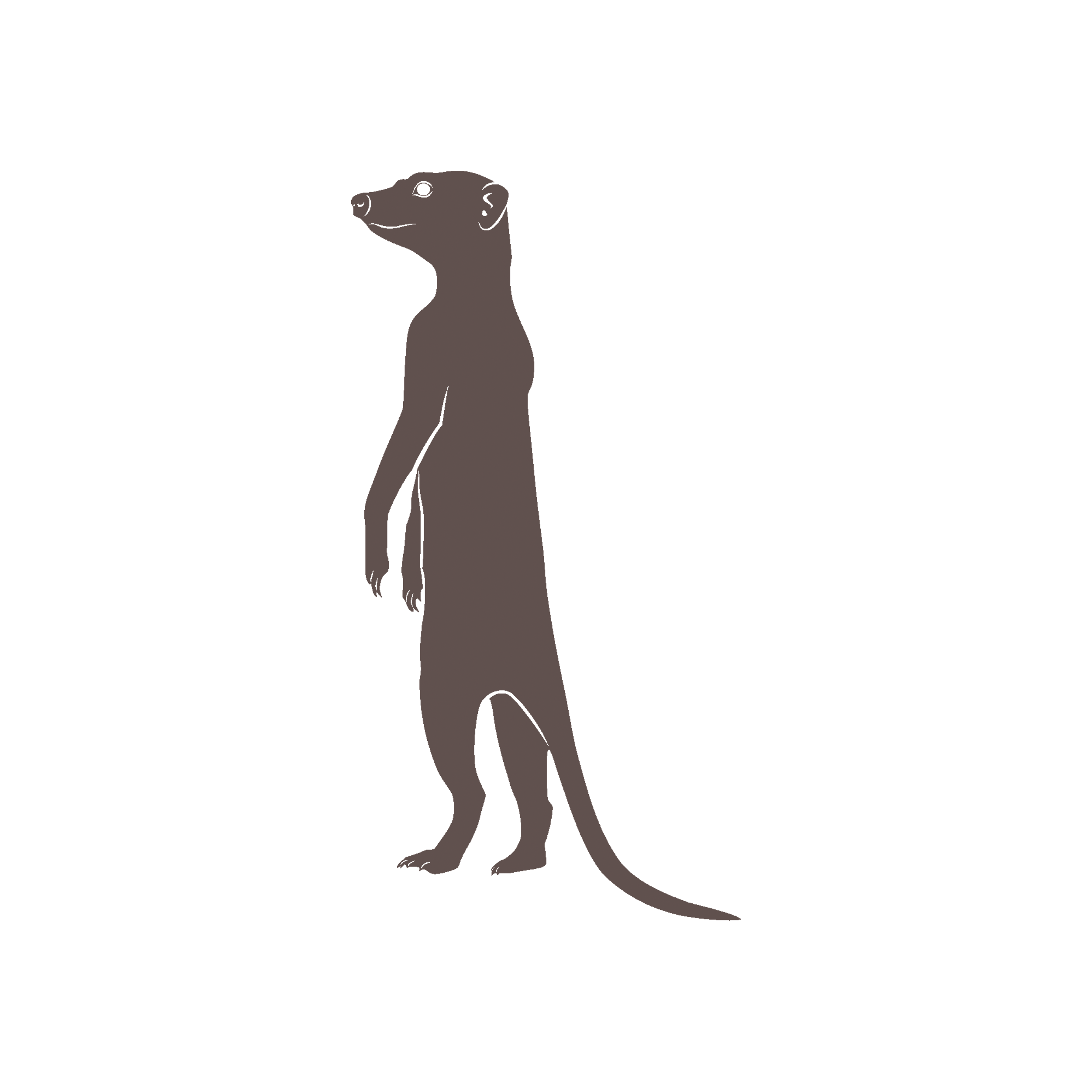
The Meerkat
Strength
Excellent at identifying risk and protecting the group. A natural early-warning system, alert to what others haven’t yet noticed.
Vulnerability
The anxiety is always there. The Meerkat’s vigilance can tip into hypervigilance, and risk-awareness into risk-paralysis.
The Ostrich
Strength
The peacekeeper. Sees both sides of a situation with clarity and fairness, and genuinely wants resolution for everyone.
Vulnerability
Conflict avoidant. The Ostrich’s discomfort with confrontation means things are left unsaid, and left to fester.
On conflict
Unresolved conflict isn’t about clashing animal types.
It’s about two people feeling simultaneously under threat, and both defaulting to their vulnerabilities at the same time. Each responding to a version of the other that isn’t the other person at their best. Each, without intending to, pulling the other deeper into the defensive cycle.
Blaming becomes the team sport. Progress stops.
Any combination of Influencers can navigate conflict, when both people understand what’s driving their own behaviour, and when at least one of them is willing to step out of the vulnerability cycle first. That willingness is the thing. Not the animal type.
When one person chooses to own their impact, even when it’s hard, even when it feels unfair, they change the dynamic for everyone in the room.
“A team is not a group of people who work together. A team is a group of people who trust each other.”
Ready to begin?
Take the TRAIT Test™ and meet your top three.
The test takes around ten minutes. Your results are immediate. And what you do with them, in the room, in your team, in the conversations you’ve been avoiding, is entirely up to you.